Buying an integrated-bracelet watch: five checks before you choose

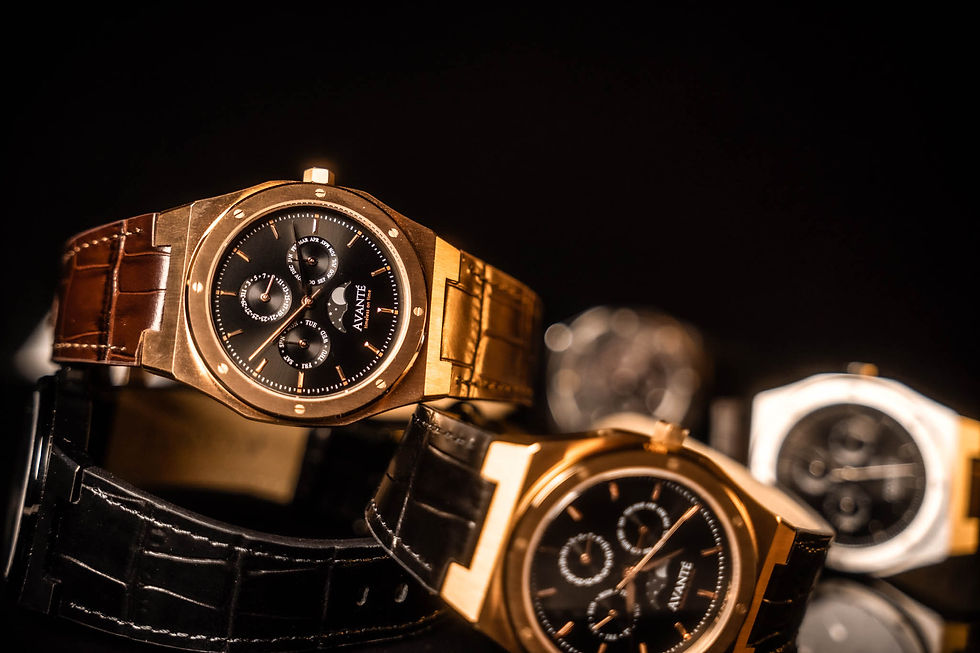
An integrated-bracelet watch is designed so that the case and bracelet attachment form a continuous shape. The result can look cohesive, but it may restrict replacement strap choices. Look beyond case diameter: the attachment, first links and adjustment options all deserve attention.
Integrated does not automatically mean irreplaceable. Nor does it mean every strap with the same stated width will fit. This guide helps you ask the right questions without declaring one construction universally better.
1. Inspect the attachment, not just the width
With conventional straight lugs, the gap between them is often the starting point for strap selection. An integrated attachment may need a specially shaped end piece. Two straps with the same width can therefore still be incompatible.
Ask about compatibility with the exact watch reference. Tissot, for example, lets buyers search by watch reference in its official strap collection. This illustrates why a general model name or millimetre measurement is insufficient; it does not establish compatibility across brands.
2. Check how the first links turn downward
An overhead photograph mainly shows the dial. Look for a side view that also shows the first bracelet links. Do they articulate downward close to the case, or extend outward before curving around the wrist?
That difference can affect how the watch sits on you. A 40 mm diameter does not describe the entire span of the case and end pieces. A wrist photograph without a known wrist measurement offers an impression, not a fit guarantee.
3. Find out how the bracelet is sized
Ask which links are removable, whether half links exist and whether the clasp offers fine adjustment. A visually neat clasp does not necessarily provide the same adjustment range as a larger one.
If possible, try the watch with your hand relaxed and move your wrist. The bracelet should not pinch, and the case should not keep sliding underneath your wrist. Keep any removed links for later: your preferred fit may change.
4. Plan for a different strap before buying
Would you like to alternate regularly between steel and leather? Check which compatible alternatives are actually available and what they cost. A quick-release mechanism simplifies removal; it does not make the attachment universal.
If experimenting with many standard straps matters to you, conventional straight lugs may be the better choice. If you mainly want to wear the original metal bracelet, the continuous silhouette of an integrated design may be more appealing.
5. Assess the whole watch
Do not let the bracelet alone make the decision. Check legibility, case thickness, functions and servicing. Our affordable moonphase watch buying guide is a useful starting point if you want this style alongside a moonphase display.
The Avanté Lunar Line is one example of a continuous case-and-bracelet design. Examine the selected version and ask about available straps and fit before ordering if anything is unclear. We sell this collection ourselves; the checks above apply equally to other brands.
Frequently asked questions
Can an integrated watch bracelet be replaced?
Sometimes, but the replacement must match the particular attachment. Check the exact model rather than relying only on width or appearance.
Does an integrated bracelet always wear larger?
No. Cases, end pieces and articulation vary between designs. Assess the entire construction rather than diameter alone.
Is an integrated bracelet better than a conventional one?
Not universally. It is a balance between appearance, fit and freedom to change straps. The right priority depends on how you use your watch.
Sources checked on 19 September 2026. This is practical buying guidance, not a comparative wear test or a measured fit study.


Comments